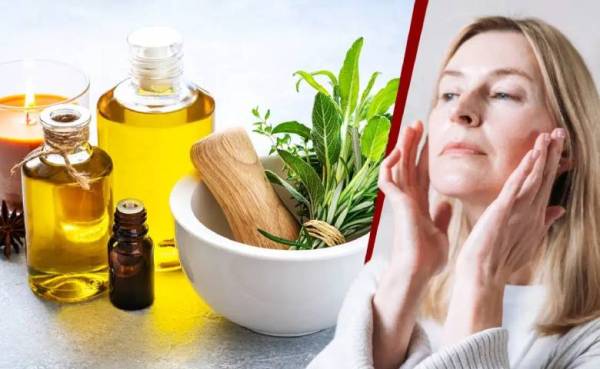
Are Natural or Herbal Products Safe for Your Skin? Know What an Ayurvedic Doctor Says
Natural and herbal skincare products are becoming increasingly popular among people who want healthy, glowing skin without using harsh chemicals. Ingredients such as aloe vera, neem, turmeric, sandalwood and rose water are commonly used in homemade remedies and commercially available skincare products. However, an important question remains: Are natural or herbal products always safe for the skin?
According to skincare experts, the answer depends on the ingredients, their concentration, the quality of the product and an individual’s skin type. Even ingredients obtained from plants can cause irritation, allergic reactions or other skin problems in some people.
Are Herbal Skincare Products Always Safe?
Many herbal ingredients have traditionally been used in skincare. Aloe vera, for example, is commonly used in moisturising products, while turmeric is known for its anti-inflammatory properties. Neem is also frequently included in products designed for acne-prone skin.
However, being natural does not automatically make an ingredient safe for everyone. Some plant extracts contain compounds that may irritate sensitive skin or trigger contact dermatitis. Essential oils and heavily fragranced herbal products can also cause redness, itching, burning or rashes.
The safety of a skincare product depends on how it is formulated, how much of each ingredient it contains and whether it has been manufactured and stored properly.
What Does Ayurveda Say About Skin Care?
Ayurveda emphasises maintaining skin health through appropriate daily routines, diet and the use of suitable herbal preparations. Ayurvedic practitioners may recommend different ingredients depending on an individual’s skin concerns and tolerance.
However, an Ayurvedic label alone does not guarantee that a product is suitable for every person. Products should be selected carefully, and ingredients should be checked before use. People with eczema, allergies, acne or other existing skin conditions should consult a qualified dermatologist or healthcare professional before trying unfamiliar remedies.
It is also important to avoid products making unrealistic promises, such as permanently removing pigmentation or curing every skin problem using herbs alone.
How to Use Natural Products Safely
Before introducing a new herbal skincare product, follow these precautions:
- Check the ingredients: Avoid products containing ingredients to which you have a known allergy.
- Perform a patch test: Apply a small amount to a limited area of skin and monitor for any reaction. For leave-on products, dermatologists commonly recommend testing twice daily on a small area for 7–10 days.
- Avoid undiluted essential oils: These can cause irritation or allergic reactions when applied directly to the skin.
- Do not apply unknown mixtures: Homemade preparations may contain irritating ingredients or become contaminated.
- Stop using a product if irritation develops: Persistent redness, swelling, itching or burning should not be ignored.
A patch test can reduce the risk of an unexpected reaction, but it cannot guarantee that a product will never cause irritation.
The Bottom Line
Natural and herbal skincare products can be useful additions to a skincare routine, but they are not automatically safer than conventional products. Choosing a well-formulated product, checking its ingredients and considering your skin type are essential steps.
If you experience persistent irritation, swelling, a severe rash or worsening acne after using a product, discontinue it and seek medical advice. For ongoing skin concerns, professional guidance is more reliable than depending entirely on home remedies.