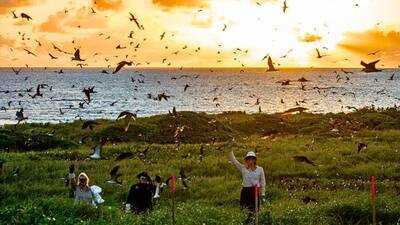
Australia funds more than $1 million in an ecological restoration project on South Islet in the Coral Sea Marine Park , where invasive weeds have reduced nesting areas for seabirds. The project involves removing invasive weeds and replanting native species to restore breeding habitat for seabirds.
South Islet is part of the Willis Islets , commonly known as Willis Island, and is home to sooty terns, brown noddies and wedge-tailed shearwaters. According to Australian Marine Parks, H5 bird flu has been detected in Australia but has not been detected in the Coral Sea Marine Park. Parks Australia has already seen early signs of success, with seabirds using some of the cleared areas as nesting grounds.
Why did Australia fund a $1 million-plus restoration on South Islet
The South Islet Ecological Restoration Project received an Australian Government investment of more than $1 million. Its aim is to restore nesting habitat for seabirds by removing invasive weeds and revegetating the island with native plant species. South Islet is in the Willis Islets, commonly known as Willis Island, in the Coral Sea Marine Park. It is a key breeding habitat for seabirds, including sooty terns, brown noddies and wedge-tailed shearwaters. It is also home to a staffed Bureau of Meteorology weather station.
Invasive weeds have spread across about 35% of the island’s 4.8 hectares of vegetation. Mossman river grass, dwarf poinsettia and cat’s whiskers are among the invasive plants that have crowded out native vegetation and reduced the space available for seabird nesting. 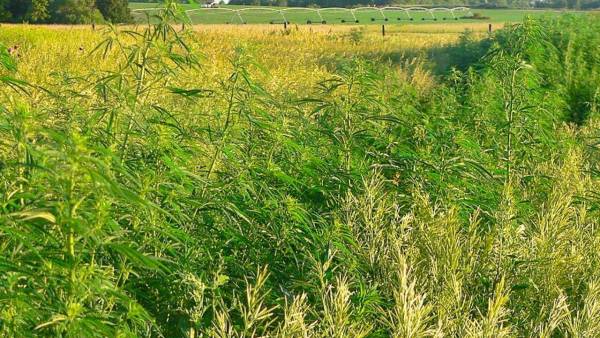
Restoring South Islet for nesting seabirds
In May, an expedition team from Parks Australia, Indigenous Rangers from Mandubarra Indigenous Land and Sea Inc., and contractors spent 15 days working on South Islet with assistance from Bureau staff. The team removed weeds and trialled methods of revegetation. A second team returned for two weeks at the end of July to continue work. During the first trip, Parks Australia project lead Dr Roberta Johnson said staff spent more than 400 hours working among the birds. The team worked carefully around parent birds, chicks and eggs while removing the weeds by hand. The results were visible quickly, with sooty terns and brown noddies moving into some of the cleared areas to nest within hours.
How have seabirds responded to the restored nesting areas
Dr Roberta Johnson said, “We cleared about 5 tonnes of weeds by hand, and we could actually see the results of our work in real time, with sooty terns and brown noddies moving into the nest in some cleared areas within hours”. When the second team returned two months later, more areas cleared of weeds were being used by nesting birds.
The restoration will help safeguard seabird populations by protecting breeding sites while restoring the island’s ecosystem over the long term. The work will help prevent invasive weeds from spreading to other nearby islands.
She said, “Our islands and reefs are home to unique species found nowhere else, but their ecosystems are delicate and vulnerable to threats ranging from H5 bird flu to climate change, so protecting them is a priority.”
Where else is Parks Australia restoring seabird habitat
South Islet is one of two ecological restoration projects underway on islands in the Coral Sea Marine Park. The other project is on Bird Islet at Wreck Reefs in the southern Coral Sea Marine Park. It is addressing areas of couch grass, green amaranth and nightshade that are threatening seabird nesting sites. The project focuses on removing invasive plants that compete with native vegetation and reduce space for breeding birds.
The Coral Sea Marine Park is Australia’s largest marine park, covering nearly one million square kilometres of ocean off Queensland. It protects 60 islets and cays, along with reef areas.
Contact to : xlf550402@gmail.com
Copyright © boyuanhulian 2020 - 2023. All Right Reserved.