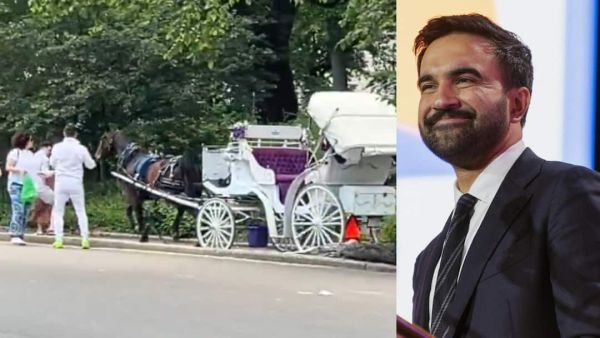
New York City has voted to end its horse-drawn carriage rides from June 2028, following years of concerns over animal welfare and public safety. The decision comes after the death of 18-year-old Indian tourist Romanch Mahajan, who suffered fatal injuries after being thrown from a carriage during a family visit.
The New York City Council approved the legislation, known as Romanch’s Law, by a vote of 40-7 on Thursday, with two members abstaining. Mayor Zohran Mamdani has backed the measure, which will bring an end to a tourist activity that has been part of the city’s history for more than 160 years.
Indian Teen’s Death Brings Fresh Focus On Safety
Mahajan died on June 17 after the horse pulling his carriage bolted when the driver stepped away to take a photograph of his family. The teenager was thrown from the carriage and sustained fatal injuries.
His family attended Thursday’s council hearing as lawmakers voted on the legislation named in his memory. Council Speaker Julie Menin said the ban would ensure that the 18-year-old was “the last soul that we lose to this industry”.
The move also follows the death of a carriage horse named Deniz, which ate a toxic plant in Central Park.
What Romanch’s Law Means For Drivers And Horses
The legislation requires New York City to prepare a transition plan for workers by April and consider a compensation programme for carriage operators. The city must also make arrangements for the horses, which cannot be slaughtered under the proposal.
Mamdani has said he will assist in developing the transition plan. Earlier efforts to prohibit carriage rides faced resistance from council members and unions representing drivers and business owners.
Animal welfare concerns have added to the pressure for a ban. The Manhattan Borough President’s office has said 40 horses working in Central Park have died since 1982, citing issues including overheating and collisions.
The Central Park Conservancy, which manages the park and supports the ban, reported seven “horse-related incidents” in the preceding 13 months. In May, a horse struck another carriage, causing it to overturn and sending the driver to hospital. In January, a horse named Destiny ran into traffic near the park, triggering a multi-car collision.
Trump Opposes Ban As Union Considers Legal Action
US President Donald Trump criticised the decision, arguing that horse-drawn carriages were an important part of New York’s heritage. In a post on Truth Social, he questioned why carriages should be prohibited while cars continued to enter the park despite road accidents.
“When there is a car accident in the area, of which there are many, they don’t stop cars from entering the Park. So why would they stop the Carriages? It was a Great Tradition. Another piece of History that’s gone. It will be missed!” Trump wrote.
The Transport Workers Union, which represents carriage operators and drivers, has threatened legal action. It said it would seek a temporary restraining order once the legislation was enacted, arguing in a letter to New York City Corporation Counsel Steve Banks that the measure would unfairly restrict operators’ economic use of their property.
Carriage Drivers Challenge Animal Welfare Concerns
Around 200 drivers operate horse-drawn carriages in Central Park. Several have opposed the ban, saying they do not want alternative jobs and disputing allegations that their horses are mistreated.
Lawson, a driver who was nearby when Mahajan fell, described the incident as “extremely tragic”. However, she argued that if safety was the primary concern, the rides should be stopped immediately rather than phased out over two years. Lawson, who owns six horses, said New York’s carriages were the most regulated in the country and that the animals benefited from the stimulation.
Medet Fidan, who has driven carriages for 12 years, also rejected allegations of mistreatment, calling them “a joke”.
Contact to : xlf550402@gmail.com
Copyright © boyuanhulian 2020 - 2023. All Right Reserved.