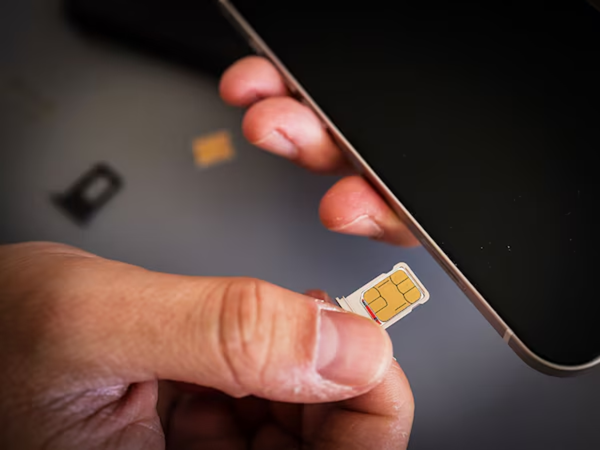
If you use messaging apps like WhatsApp or Telegram, you may soon encounter a significant change. The government intends for these apps to remain linked to the active SIM card associated with the mobile number used to create the account. In other words, it will no longer be possible to set up an account—via a one-time OTP—and then remove the SIM card while continuing to use the app as usual.
According to reports, the Department of Telecommunications (DoT) plans to implement these directives starting January 1, 2027. App providers have been given until December 31, 2026, to comply with these new rules. The objective is to curb online fraud and cybercrimes committed using fake identities.
What is the 'SIM Binding' rule?
Consider this scenario: you create a WhatsApp account using your mobile number and verify it via an OTP. You then remove the SIM card from your phone but continue using WhatsApp. Under the 'SIM Binding' rule, such usage could be restricted.
This rule mandates that the active SIM card linked to the account must remain present in the device. If the SIM is missing or inactive, the functionality of the app may be affected. However, this does not necessarily mean that all users will be required to create new accounts on January 1, 2027; the actual impact will depend on how individual app companies choose to implement this regulation.
Will this affect WhatsApp Web and desktop versions?
This change could also impact WhatsApp Web and the web or desktop versions of other messaging apps. The original directives from the Department of Telecommunications include provisions to prevent web sessions from remaining active for more than six consecutive hours, requiring users to re-link their accounts by scanning a QR code.
This measure would make it difficult for someone to use another person's account for an extended period without re-authentication. That said, in a response provided to Parliament in April 2026, it was suggested that web session logouts should be implemented based on risk assessments—though no specific, fixed timeframe was mentioned in that response.
Why does the government want to implement this rule?
The government states that some fraudsters create accounts on messaging apps using Indian mobile numbers and subsequently remove the SIM card; however, the account remains active. Such accounts can be used to impersonate government officials to intimidate people, orchestrate "digital arrests," or defraud individuals under the guise of investment opportunities.
By linking an account to an active SIM card—a process known as "SIM binding"—authorities hope to facilitate the investigation of such cases. Nevertheless, this will not eliminate all forms of online fraud; scammers may still attempt to target individuals using methods such as malicious links, OTP-based scams, or other deceptive tactics.
What should users with two SIM cards do?
If you use two SIM cards in your phone, ensure that the SIM associated with your WhatsApp or other messaging accounts remains active and is present in the device. If you primarily use the other number for your daily activities, verify the status of your registered number. Changing your SIM card, obtaining a new one, or switching to a different phone may trigger a request for re-verification by the app. The specific procedure in such scenarios will depend on the systems implemented by the respective app companies. The government has also clarified that if the SIM is present in the phone while the user is abroad on roaming, being in a roaming state will not hinder compliance with these directives.
Disclaimer: This content has been sourced and edited from TV9. While we have made modifications for clarity and presentation, the original content belongs to its respective authors and website. We do not claim ownership of the content.
Contact to : xlf550402@gmail.com
Copyright © boyuanhulian 2020 - 2023. All Right Reserved.