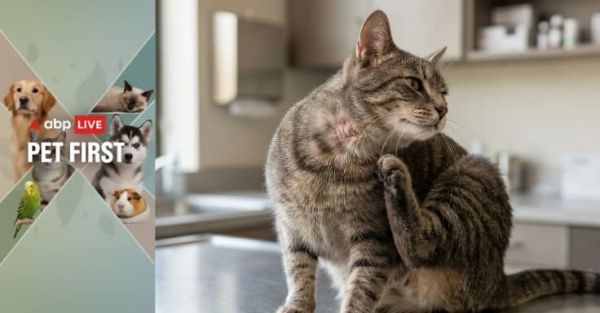
Cats are known for their grooming habits, but excessive scratching, constant licking or unusual hair loss could indicate an underlying skin problem. From flea infestations to allergies and infections, several conditions can affect a cat's skin and coat, causing discomfort and irritation. Recognising these early signs can help pet parents seek timely veterinary care.
Common Skin Conditions In Cats
1. Fleas
Fleas are among the most common causes of skin irritation in cats. These tiny parasites feed on blood and can cause persistent itching, particularly around the head, neck, back and base of the tail. Pet parents may also notice flea dirt, which appears as tiny dark specks in the fur.
A veterinarian can recommend suitable flea treatments to eliminate the infestation and prevent it from returning. Washing bedding and cleaning furniture can also help remove flea eggs and larvae.
Allergic dermatitis occurs when a cat develops an allergic reaction to certain substances. Common triggers include flea bites, food ingredients and environmental allergens such as pollen, dust and mould.
Cats with allergies may scratch excessively, lick themselves repeatedly or develop small scabs and patches of hair loss. Although allergies cannot always be completely eliminated, veterinary treatment and identifying the trigger can help manage the symptoms.
3. Yeast And Bacterial Skin Infections
Yeast and bacterial infections can cause considerable discomfort in cats. These infections may develop alongside other health conditions, including allergies, or occur when excessive scratching damages the skin.
Signs may include redness, irritation, flaky or discoloured skin, discharge and an unpleasant smell. Infections may require antifungal medicines or antibiotics prescribed by a veterinarian, depending on the cause.
4. Feline Acne
Feline acne commonly appears as blackheads or small pimples around a cat's chin and lips. It may look like dirt or dark spots stuck to the fur, particularly in cats with lighter coats.
While the exact cause is not always clear, blocked hair follicles are associated with the condition. Veterinary-recommended ointments, wipes or shampoos may help manage it. Switching plastic food and water bowls to stainless steel or glass may also be suggested in some cases.
5. Miliary Dermatitis
Miliary dermatitis is an itchy skin reaction characterised by small, raised bumps or crusty scabs. These bumps may be difficult to spot beneath a cat's fur but can often be felt when gently touching the skin.
The condition is frequently associated with flea allergies, although mites, lice, ringworm and other skin problems may produce similar symptoms. Treatment depends on identifying the underlying cause rather than simply treating the rash.
6. Mites And Mange
Mites are microscopic parasites that can irritate a cat's skin and cause itching, swelling and hair loss. Mange develops when certain mites infest the skin, while ear mites commonly affect the ear canal.
Cats with ear mites may repeatedly scratch their ears, shake their heads or develop dark, waxy ear discharge. Veterinary diagnosis is important because inappropriate treatments can damage a cat's ears or worsen the condition.
7. Ringworm
Despite its name, ringworm is a fungal infection and not a worm infestation. It can cause circular, scaly patches of skin, broken hair and bald spots. Some cats may show little or no itching.
Ringworm is contagious and can spread between animals and humans. If pet parents suspect the infection, they should consult a veterinarian promptly and follow precautions to prevent its spread. Treatment generally involves antifungal medication.
8. Lice
Lice infestations are more commonly seen in older cats and those with long coats. These tiny parasites attach themselves to hair and may cause itching, irritation and an unhealthy-looking coat.
Pet parents may notice whitish eggs attached to hair roots or tiny insects among the fur. Veterinary-approved treatments and cleaning the cat's bedding, brushes and grooming accessories can help manage an infestation.
9. Skin Cancer
Skin cancer is another condition that pet parents should be aware of, particularly in white or light-coloured cats that are more susceptible to sun-related skin damage.
Unusual bumps, persistent sores, scabs or changes in skin appearance should not be ignored. However, these signs do not automatically indicate cancer, as several other skin conditions can look similar. A veterinarian may recommend further testing, including a biopsy, if a suspicious lesion is found.
How To Recognise Skin Problems In Cats
Skin conditions can sometimes be difficult to identify because different illnesses may produce similar symptoms. Pet parents should watch for the following warning signs:
Persistent scratching, licking or biting of the skin
Excessive grooming or repeated hair pulling
Bald patches or thinning fur
Redness, swelling or irritation
Scabs, crusts, bumps or unusual sores
Dry, flaky skin or dandruff
Unusual odour or discharge
Repeated head shaking or ear scratching
These symptoms may indicate parasites, allergies, infections or other underlying health problems.
When Should Pet Parents Consult A Veterinarian?
Any persistent change in a cat's skin or coat deserves attention. If a cat develops excessive itching, unexplained hair loss, open sores, swelling or recurring skin irritation, pet parents should seek veterinary advice.
Skin conditions can worsen when cats repeatedly scratch or bite affected areas, potentially leading to further inflammation and secondary infections. Early diagnosis can help identify the underlying cause and prevent discomfort from becoming more severe.
Pet parents should avoid using human skincare products, random home remedies or medications without veterinary guidance, as certain ingredients and treatments can be harmful to cats.
Contact to : xlf550402@gmail.com
Copyright © boyuanhulian 2020 - 2023. All Right Reserved.