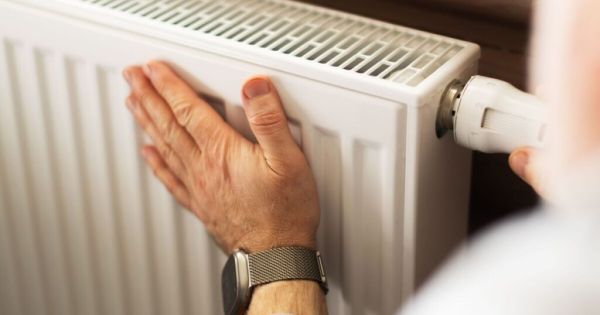
As it starts to get chillier outside, making your home feel warm and comfortable becomes more important than ever. Even if you love the cold and crisp weather, there’s no doubt that the winter months bring many heating challenges. There’s nothing worse than switching on the heating and discovering one of your radiators is stone cold in certain areas, especially on a freezing morning.
Even the smallest adjustments can have a big impact, so it’s a great time to make sure your heating system is working efficiently. According to the energy experts at British Gas, there is a “simple yet effective way” to boost efficiency, save energy, and ensure every room stays comfortably warm all winter long.
Why is my radiator cold at the top but hot at the bottom?
Trapped air is almost always the answer. Air accumulates inside radiators over time, blocking hot water from reaching the top section.
The fix is to bleed your radiators, which takes about 20 to 30 seconds, according to Hinckley Plumbing and Heating Services. This is one of those jobs worth doing across the whole house every autumn before the winter weather sets in.
How to bleed a radiator
Start by grabbing an old towel and a container. Locate the valve and use your radiator key to open it by turning it anti-clockwise. If it’s tough to open, use the cloth to get a better grip; advise the engineers at British Gas.
Only open it slightly until you hear the hissing noise – that’s air escaping. Once the sound stops and water starts streaming out, make sure you catch the water in the container.
Now it’s time to retighten the valve and clean up any excess water that has come out. After, you’ll need to check your boiler pressure. While it will decrease a bit after bleeding radiators, you want it to be between 1.0 to 1.5 bars when it’s switched off and approximately two bars when it’s on.
If the pressure is fine, turn the heating back on, then go back and check all your radiators. They should all be working and warming up properly, so you can get back to enjoying a cosy home again.
How to bleed a radiator without a key
It can be frustrating to discover that you can’t find the radiator key, but don’t worry, as not every radiator requires one. Designs have changed over time, and many modern radiators can be bled with a flat-head screwdriver, while some can be bled with an Allen key. Just make sure the heating is switched off, and the radiators have cooled before you use a suitable tool to bleed them.
What does it mean if your radiator is hot at the top but cold at the bottom?
If this is the case, the problem usually points to sludge. Over years of use, rust, limescale, and debris settle at the base of radiators, restricting water flow through the lower section. You won’t notice it happening gradually; one winter it just doesn’t heat properly.
A power flush will clear the debris out — but if your system is ageing, it’s worth getting a heating engineer’s honest opinion on whether flushing or replacing makes more financial sense long-term.
Contact to : xlf550402@gmail.com
Copyright © boyuanhulian 2020 - 2023. All Right Reserved.